Selection framework, budget math and the captaincy column.
The fantasy tips hub is the desk’s reading rail for selection framework, budget allocation, role split, captaincy math and the differential under nine credits. Every chapter carries a worked example and a one-line correction note when the math changes.
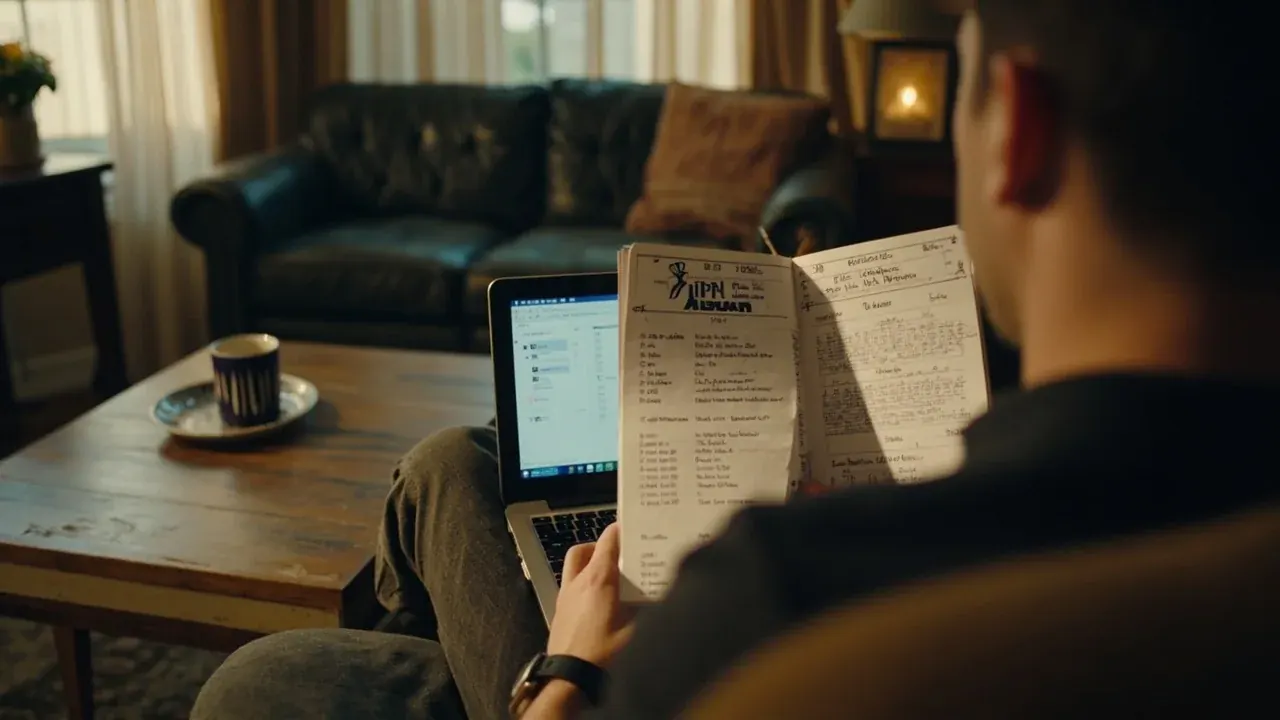
Four factors, one card.
Venue record, recent form arrow, role fit and confirmed XI when available. The four-factor card sits at the top of every selection chapter so the reader does not have to scroll past the body to find the rule.

Venue record, recent form arrow, role fit and confirmed XI when available. The four-factor card sits at the top of every selection chapter so the reader does not have to scroll past the body to find the rule.
How the desk splits 100 credits.
The desk splits 100 credits across roles rather than across star players. A typical split is 38 credits for the top three, 32 for the middle order, 18 for the bowlers and 12 for the wicketkeeper. The split is not a rule; it is a starting point.

The desk splits 100 credits across roles rather than across star players. A typical split is 38 credits for the top three, 32 for the middle order, 18 for the bowlers and 12 for the wicketkeeper. The split is not a rule; it is a starting point.
BAT, AR, BOWL, WK.
A balanced eleven has three or four top-order bats, two all-rounders, three or four frontline bowlers and one wicketkeeper. The role split changes with the format — a T20 wants all-strike, a Test wants frontline seam.

A balanced eleven has three or four top-order bats, two all-rounders, three or four frontline bowlers and one wicketkeeper. The role split changes with the format — a T20 wants all-strike, a Test wants frontline seam.
Floor beats ceiling.
A captain is a 2x multiplier. The desk spends captaincy on a player whose floor is reliable. A 41-point anchor pays better than a 71-point ceiling when the ceiling comes off and the multiplier compounds the variance.
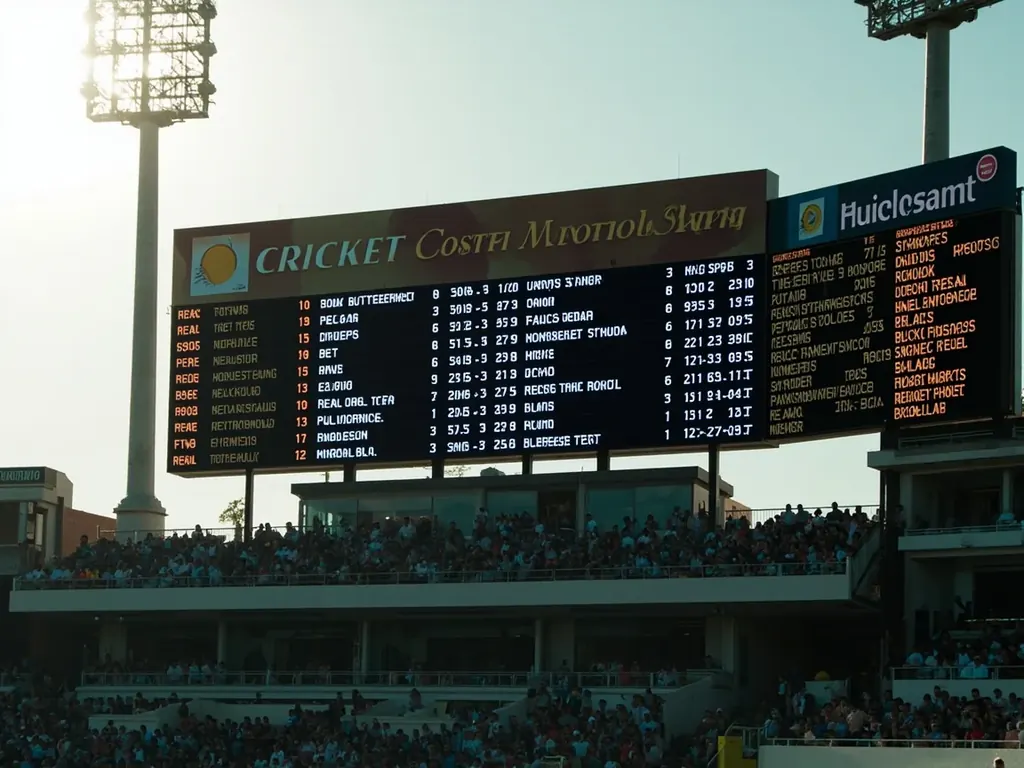
A captain is a 2x multiplier. The desk spends captaincy on a player whose floor is reliable. A 41-point anchor pays better than a 71-point ceiling when the ceiling comes off and the multiplier compounds the variance.
Common questions about the Fantasy-tips hub.
A short FAQ for the questions the desk hears most often about this hub.
What is the four-factor framework?
The four-factor framework is venue record, recent form arrow, role fit and confirmed XI. The desk applies the framework to every selection chapter.
Does the desk publish a starting eleven?
Yes. The desk publishes a starting eleven with role tags, credit values and a captain pick. The starting eleven is updated when the confirmed XI is announced.
What is a differential under 9 credits?
A differential is a player priced under 9 credits with a credible ceiling. The desk files differentials under 9 credits on the predictions desk.
How is captaincy chosen?
Captaincy is chosen on floor, not ceiling. The captain is a 2x multiplier; the desk prefers a reliable anchor over a high-variance ceiling.
Pick a chapter and continue reading.
The desk’s reading rails for live sports and fantasy selection context.
Match coverage
Live fixtures, verified schedule rows and venue reads across cricket, football, kabaddi and tennis.
Predictions desk
Tonight’s captain evidence dossiers, three at a time, written in the desk’s voice with form arrows and venue notes.
Teams
Squad windows, recent results and the key players the desk watches for India, Australia, England and the IPL franchises.
Players
Player ledger across formats: role, recent form arrow, venue splits and captain-pick frequency where it applies.
Open the editor’s desk for tonight.
Captain picks, format primer, fixture ladder and the corrections register — one tap away.