Player ledger by format, with venue splits and captain-pick frequency.
The players hub is the desk’s reading rail for player ledger across formats. Each player card carries the role tag, the last-five ledger, the venue splits and a captain-pick frequency where it applies. The desk updates the rail when a player’s role changes or when the venue band moves.
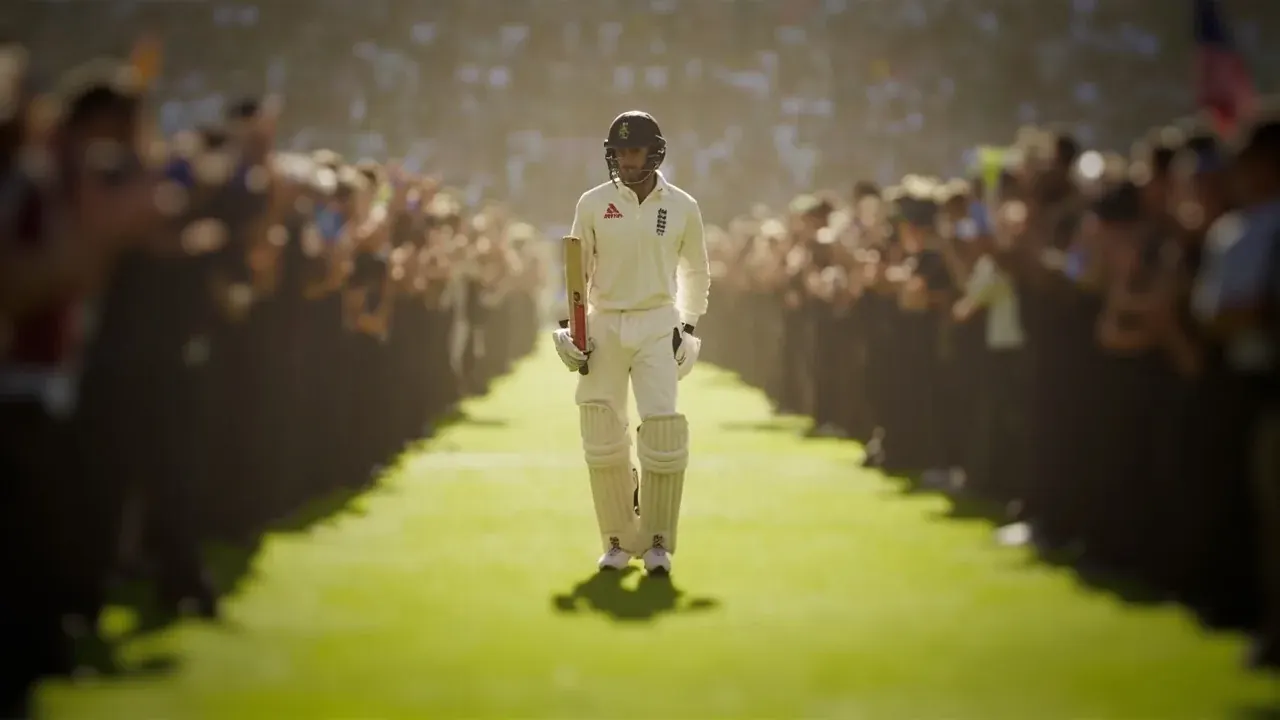
Role, last-five ledger, venue band, form arrow.
The top-order bats card carries the role tag, the last-five ledger, the venue band and a form arrow. The card updates when the venue band moves or when the form arrow changes direction.
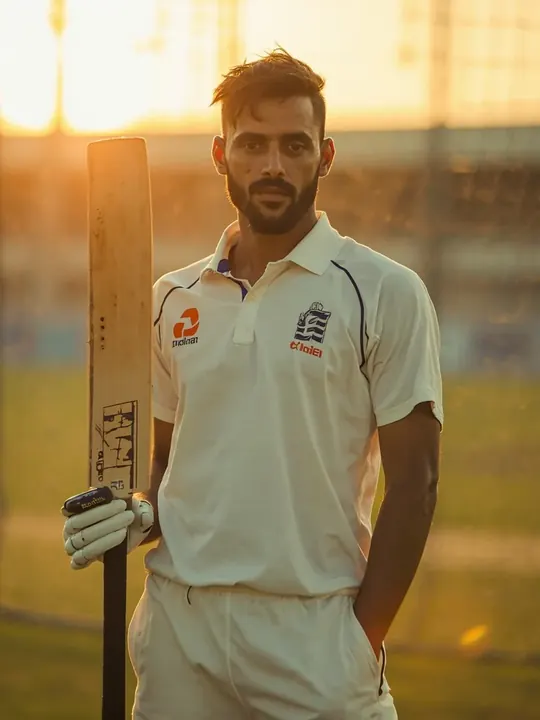
The top-order bats card carries the role tag, the last-five ledger, the venue band and a form arrow. The card updates when the venue band moves or when the form arrow changes direction.
Role, last-five ledger, venue band, form arrow.
The all-rounders card carries the role tag, the last-five ledger, the venue band and a form arrow. The desk tags every all-rounder with the second discipline so the captaincy card can lean on the second skill.
The all-rounders card carries the role tag, the last-five ledger, the venue band and a form arrow. The desk tags every all-rounder with the second discipline so the captaincy card can lean on the second skill.
Role, last-five ledger, venue band, form arrow.
The wicketkeeper-bats card carries the role tag, the last-five ledger, the venue band and a form arrow. The desk tags the wicketkeeper card with the strike rate against left-arm spin where the venue band reads spin-heavy.

The wicketkeeper-bats card carries the role tag, the last-five ledger, the venue band and a form arrow. The desk tags the wicketkeeper card with the strike rate against left-arm spin where the venue band reads spin-heavy.
Role, last-five ledger, venue band, form arrow.
The frontline bowlers card carries the role tag, the last-five ledger, the venue band and a form arrow. The desk tags the bowler card with the powerplay wicket frequency where the venue reads swing-friendly.
The frontline bowlers card carries the role tag, the last-five ledger, the venue band and a form arrow. The desk tags the bowler card with the powerplay wicket frequency where the venue reads swing-friendly.
Common questions about the Players hub.
A short FAQ for the questions the desk hears most often about this hub.
What is a venue split?
A venue split is the player’s average broken down by ground. The desk reads the venue split before the toss, not after the chase.
What is captain-pick frequency?
Captain-pick frequency is the number of times the desk has named the player as a captain pick across the published slate. The desk publishes the frequency on the predictions desk.
Does the desk tag young players?
The desk tags a young player with the role tag and the format code. Where the venue band is light, the desk files a one-line note rather than a captain pick.
Pick a chapter and continue reading.
The desk’s reading rails for live sports and fantasy selection context.
Match coverage
Live fixtures, verified schedule rows and venue reads across cricket, football, kabaddi and tennis.
Predictions desk
Tonight’s captain evidence dossiers, three at a time, written in the desk’s voice with form arrows and venue notes.
Fantasy tips
Selection framework, budget allocation, role split, captaincy math and the differential under 9 credits.
Teams
Squad windows, recent results and the key players the desk watches for India, Australia, England and the IPL franchises.
Open the editor’s desk for tonight.
Captain picks, format primer, fixture ladder and the corrections register — one tap away.