Three picks at a time, with the venue record spelled out.
The predictions desk is the desk’s reading rail for captain picks, three at a time. Each pick carries a role tag, a venue note, a recent-form arrow and a one-line rationale. The desk writes the rationale in plain language and stamps every pick with the date of the last editorial check.
Floor beats ceiling.
A captain is a 2x multiplier on the player’s points. The desk spends captaincy on floor, not ceiling, because the multiplier compounds the variance. A 41-point anchor with a 2x multiplier pays better than a 71-point ceiling with a 2x multiplier when the ceiling comes off.
A captain is a 2x multiplier on the player’s points. The desk spends captaincy on floor, not ceiling, because the multiplier compounds the variance. A 41-point anchor with a 2x multiplier pays better than a 71-point ceiling with a 2x multiplier when the ceiling comes off.
Role, venue record, recent form arrow.
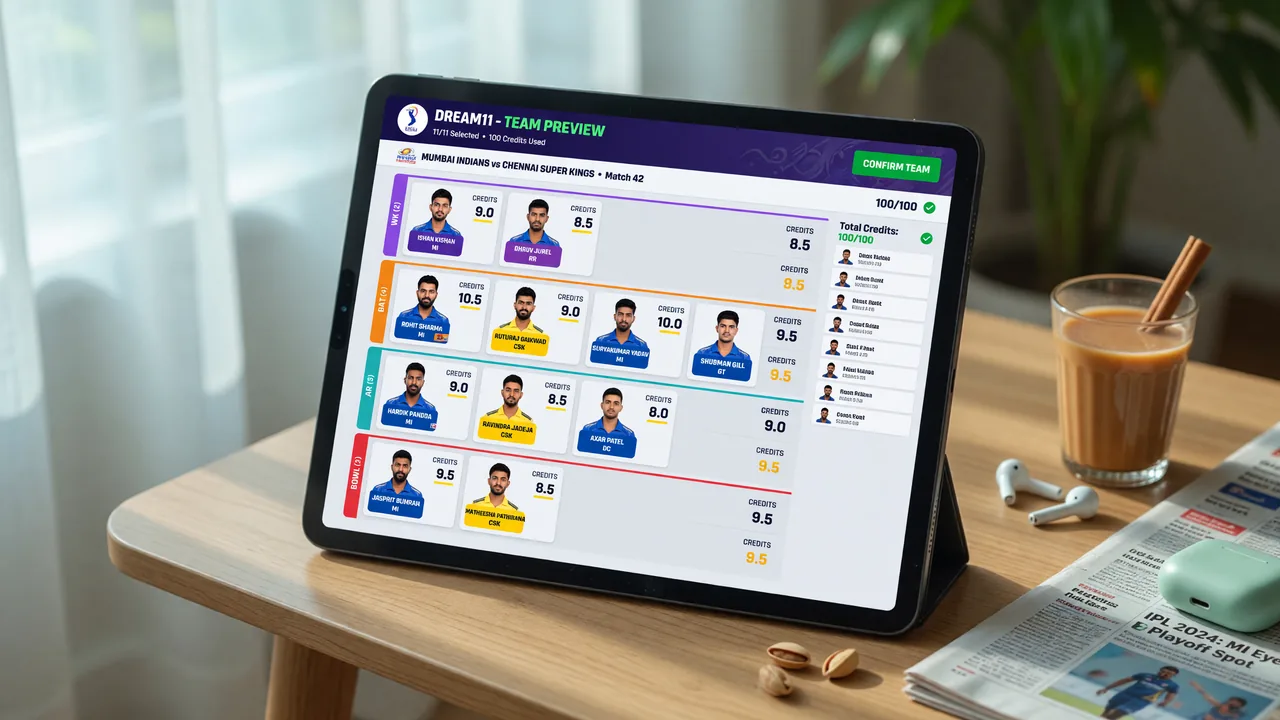
Each pick card carries the role tag, the last-five ledger, the venue band and a form arrow. The desk does not lean on third-party predictor apps; every pick is written from the public score feed.

Each pick card carries the role tag, the last-five ledger, the venue band and a form arrow. The desk does not lean on third-party predictor apps; every pick is written from the public score feed.
Some nights the desk files no captain pick.
If the venue reads tight, the dew window is uncertain and the confirmed XI is still pending, the desk files a “pass” card and publishes the reason in line. A pass is a recommendation too.
If the venue reads tight, the dew window is uncertain and the confirmed XI is still pending, the desk files a “pass” card and publishes the reason in line. A pass is a recommendation too.
The desk stamps every pick.
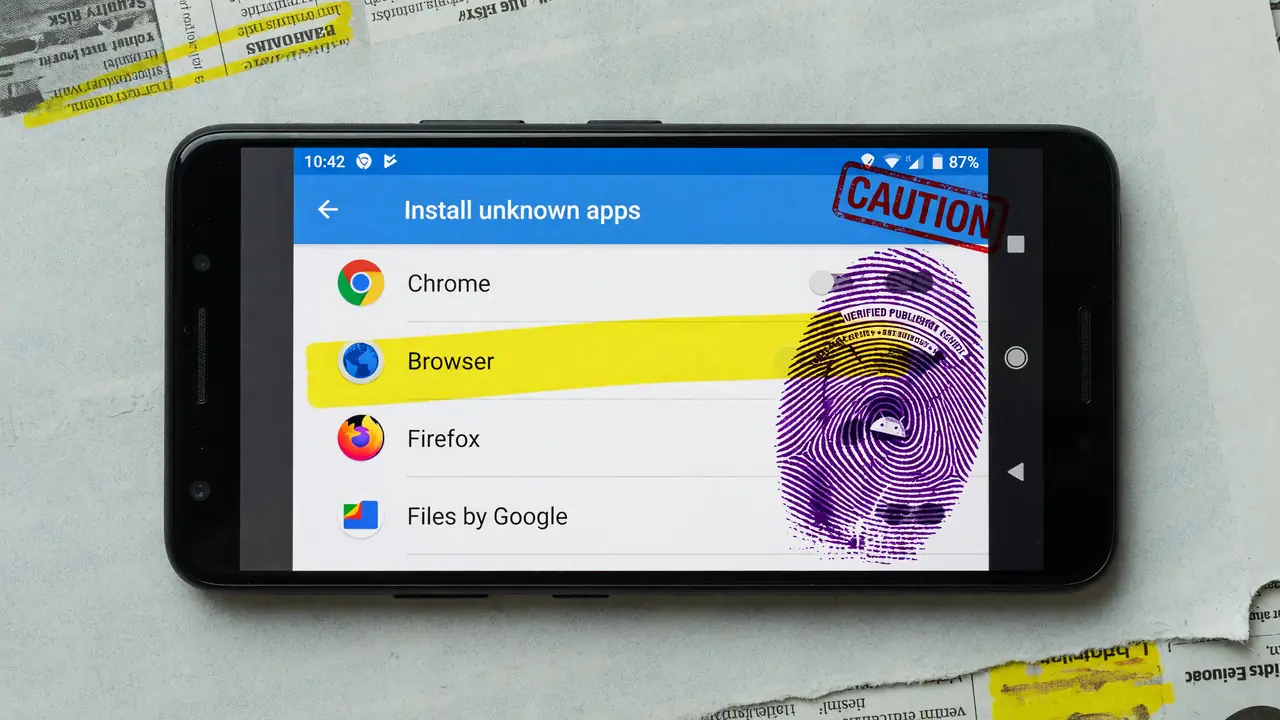
Every captain pick carries a source stamp: the public score feed, the tournament publication or the operator’s confirmed XI page. The stamp is dated. If a feed is wrong, the pick is corrected and the correction note is appended in line.
Every captain pick carries a source stamp: the public score feed, the tournament publication or the operator’s confirmed XI page. The stamp is dated. If a feed is wrong, the pick is corrected and the correction note is appended in line.
The ledger format, filed in the Predictions desk.
A filed note on the role tag, venue note, form arrow and one-line rationale that every captain-pick card carries, with the audit trail the reader can check.
Common questions about the Predictions hub.
A short FAQ for the questions the desk hears most often about this hub.
Does the desk publish a guaranteed captain pick?
No. The desk does not run a prediction engine and does not publish guaranteed outcomes. Every pick carries a form arrow and a venue note.
How is a captain pick chosen?
Captain picks rest on a four-factor model: venue record, recent form arrow, role fit and confirmed XI when available. Pick rationales are written by the desk.
Does the desk read third-party predictor apps?
The desk reads public score feeds and tournament publications. The desk does not lean on third-party predictor apps for picks or rationales.
What is a form arrow?
A form arrow is a direction marker (up, flat, down) read off the player’s last-five ledger. The arrow is dated and stamped.
Pick a chapter and continue reading.
The desk’s reading rails for live sports and fantasy selection context.
Match coverage
Live fixtures, verified schedule rows and venue reads across cricket, football, kabaddi and tennis.
Fantasy tips
Selection framework, budget allocation, role split, captaincy math and the differential under 9 credits.
Teams
Squad windows, recent results and the key players the desk watches for India, Australia, England and the IPL franchises.
Players
Player ledger across formats: role, recent form arrow, venue splits and captain-pick frequency where it applies.
Open the editor’s desk for tonight.
Captain picks, format primer, fixture ladder and the corrections register — one tap away.